Manual Task Risk Assessment – Understanding the Key Benefits for Manual Handling Jobs
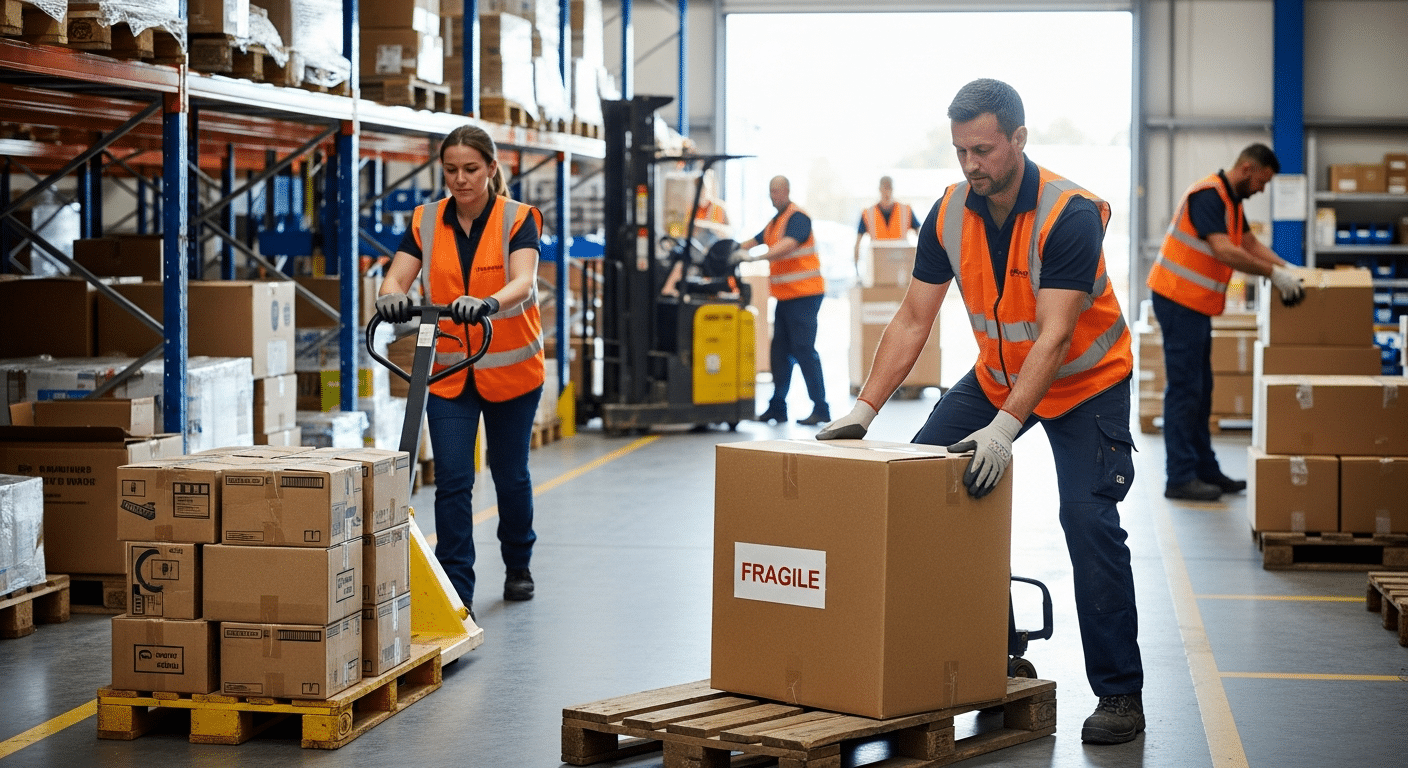
Manual handling injuries continue to be one of the most common and costly workplace safety issues across many industries. Whether workers are lifting, carrying, pushing, or holding loads, poorly designed tasks can quickly lead to fatigue, reduced productivity, and long-term musculoskeletal injuries. A Manual Task Risk Assessment provides a practical, evidence-based way to identify these risks early and put effective controls in place before problems escalate. By understanding how work is actually performed and where strain occurs, organisations can improve safety outcomes, meet compliance obligations, and create more efficient, sustainable manual handling processes.
What Is a Manual Task Risk Assessment and Why It Matters
So, what is a Manual Task Risk Assessment in practical terms? It is a systematic evaluation of how workers interact with their tasks, tools, and environment, with a focus on reducing physical strain and injury risk.
A Manual Task Risk Assessment examines factors such as posture, load weight, movement patterns, task repetition, and work duration. Using recognised Manual Task Risk Assessment tools, assessors identify hazards and recommend controls that align with the hierarchy of control.
What Are the Benefits of a Manual Task Risk Assessment for Manual Handling Jobs?
identifies risk factors in manual handling tasks that contribute to injury, fatigue, and inefficiency. Key benefits include reduced musculoskeletal disorders, fewer lost-time injuries, improved worker comfort, and higher productivity.
A Manual Task Risk Assessment also supports compliance with workplace health and safety duties by demonstrating proactive risk management. In many cases, small changes such as task redesign, load adjustment, or equipment selection deliver significant safety and cost benefits without disrupting operations.
How Does a Manual Task Risk Assessment Reduce Manual Handling Injuries?
Manual Task Risk Assessment reduces injuries by identifying hazardous movements, excessive loads, poor postures, and task repetition. The assessor analyses how work is performed using appropriate Manual Task Risk Assessment tools and recommends controls such as mechanical aids, task rotation, workflow redesign, or technique improvements.
By addressing risks at their source, an Manual Task Risk Assessment helps prevent strains, sprains, and overuse injuries rather than responding after incidents occur. This approach is particularly effective in high-frequency manual handling tasks.
Who Needs a Manual Task Risk Assessment?
Any workplace where workers lift, carry, push, pull, or hold loads can benefit from an ergonomic assessment. This includes warehousing, manufacturing, construction, healthcare, logistics, and cleaning roles.
Assessments are especially important when injuries have occurred, tasks have changed, or workers report discomfort. Many organisations seeking ergonomic assessment training also use assessments to upskill supervisors and safety teams in recognising manual handling risks early.
What Does a Manual Task Risk Assessment Involve?
An assessment typically includes task observation, worker consultation, measurement of loads and postures, and review of task frequency and duration. The assessor applies recognised Manual Task Risk Assessment tools to evaluate risk exposure and existing controls.
Findings are documented in a practical report with recommendations aligned to regulatory expectations and operational realities. For organisations asking what is an Manual Task Risk Assessment, this process provides clear, defensible evidence of risk management.
Is a Manual Task Risk Assessment Required Under Workplace Health and Safety Laws?
While not always named explicitly, manual task risk assessments support an employer’s legal duty to identify hazards and control manual handling risks so far as reasonably practicable.
Conducting an Manual Task Risk Assessment demonstrates due diligence, particularly for high-risk tasks, incident investigations, or regulator scrutiny.
How Much Does a Manual Task Risk Assessment Cost?
Costs vary depending on task complexity, workforce size, site locations, and reporting requirements. However, an Manual Task Risk Assessment is typically low-cost compared to the expense of injuries, workers’ compensation claims, and lost productivity.
Many organisations consider assessments a cost-avoidance measure rather than an expense. Businesses that also invest in manual handling training often see improved internal capability and longer-term value.
How Often Should Manual Handling Ergonomic Assessments Be Done?
Assessments should be conducted when new tasks are introduced, work processes change, injuries or near misses occur, or workers report discomfort.
As a best practice, high-risk manual handling tasks should be reviewed periodically using updated Manual Task Risk Assessment tools to ensure controls remain effective. Regular reassessment supports continuous improvement and reinforces the value of an Manual Task Risk Assessment as part of a mature safety system.
When to Engage a Professional Manual Task Risk Assessment Provider
Organisations should consider engaging a professional when manual handling risks are complex, injuries persist, or internal controls are insufficient. Providers offering ergonomic assessment Sydney services bring specialist expertise, objective analysis, and defensible documentation.
Many also deliver manual handling training, enabling teams to recognise risks earlier and maintain improvements long after the assessment is completed.
Why Manual Task Risk Assessments Are a Smart Safety Investment
An Manual Task Risk Assessment is one of the most effective tools for reducing manual handling injuries, improving productivity, and meeting safety obligations. Understanding what is an Manual Task Risk Assessment empowers organisations to move from reactive injury management to proactive risk control.
When supported by appropriate Manual Task Risk Assessment tools and manual handling training, these assessments deliver lasting safety and operational benefits. For organisations seeking reliable solutions, our professional support ensures outcomes that are practical, compliant, and measurable.
FAQs
1. What is the difference between an Manual Task Risk Assessment and a risk assessment?
An Manual Task Risk Assessment focuses specifically on how people physically interact with tasks, tools, and environments, particularly manual handling and posture. A general risk assessment covers a broader range of hazards such as slips, electrical risks, or chemicals. Manual Task Risk Assessments are more detailed in analysing body mechanics, movements, and load exposure.
2. Are Manual Task Risk Assessments only for injured workers?
No. An Manual Task Risk Assessment is most effective when used proactively. While it can support injury management and return-to-work planning, it is primarily designed to prevent injuries by identifying risks before harm occurs. Many organisations use assessments for new tasks, new equipment, or high-risk roles.
3. Who can conduct an Manual Task Risk Assessment in the workplace?
Manual Task Risk Assessments should be conducted by a qualified ergonomist or health and safety professional with training in ergonomics. While supervisors may complete basic checks, formal assessments require expertise in ergonomic principles, risk analysis, and control selection to ensure recommendations are valid and defensible.
4. How long does a Manual Task Risk Assessment take?
The duration depends on task complexity and the number of roles assessed. A single manual handling task may take 30–90 minutes, including observation and consultation. More complex environments or multiple tasks may require additional time and reporting.
5. Do Manual Task Risk Assessments need to be documented?
Yes. Documenting an Manual Task Risk Assessment is critical for demonstrating compliance, tracking risk controls, and supporting continuous improvement. Written reports provide evidence of hazard identification, decision-making, and actions taken, which is important for audits, incident investigations, and regulator reviews.